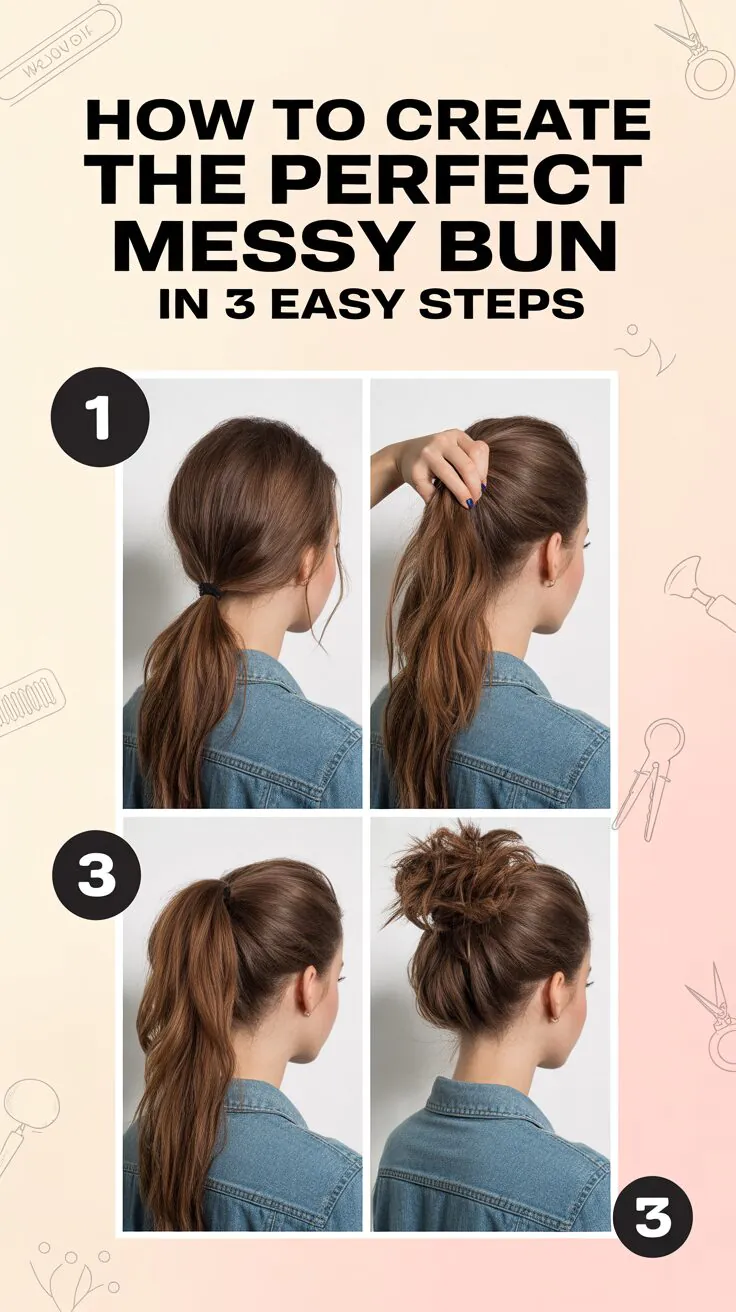
Dry Hair Tips – Expert Daily Care Routine for Hydrated, Frizz-Free Strands
Restoring softness and manageability doesn’t have to mean tossing out everything you use. Zero in on moisture—swap in gentle, sulfate-free cleansers, richer conditioners, and add a weekly deep treatment to boost your hair’s hydration barrier.
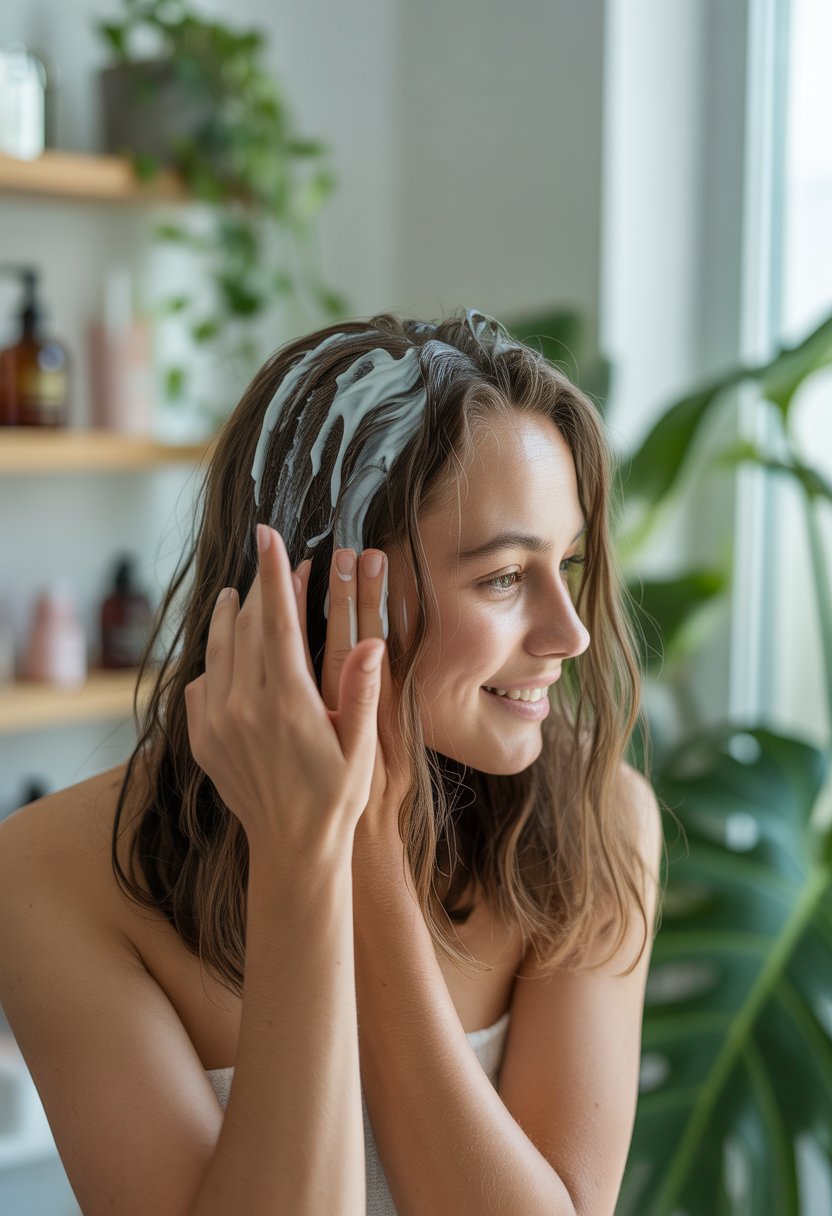
This post digs into what actually causes dryness, easy daily tweaks that help keep moisture in, moisturizing tricks that actually work, and how to style or protect your hair without frying it. There’s even a few lifestyle shifts you might not have considered. Stick around for practical, real-world steps you can use for softer, bouncier hair—fast.
Understanding Dry Hair
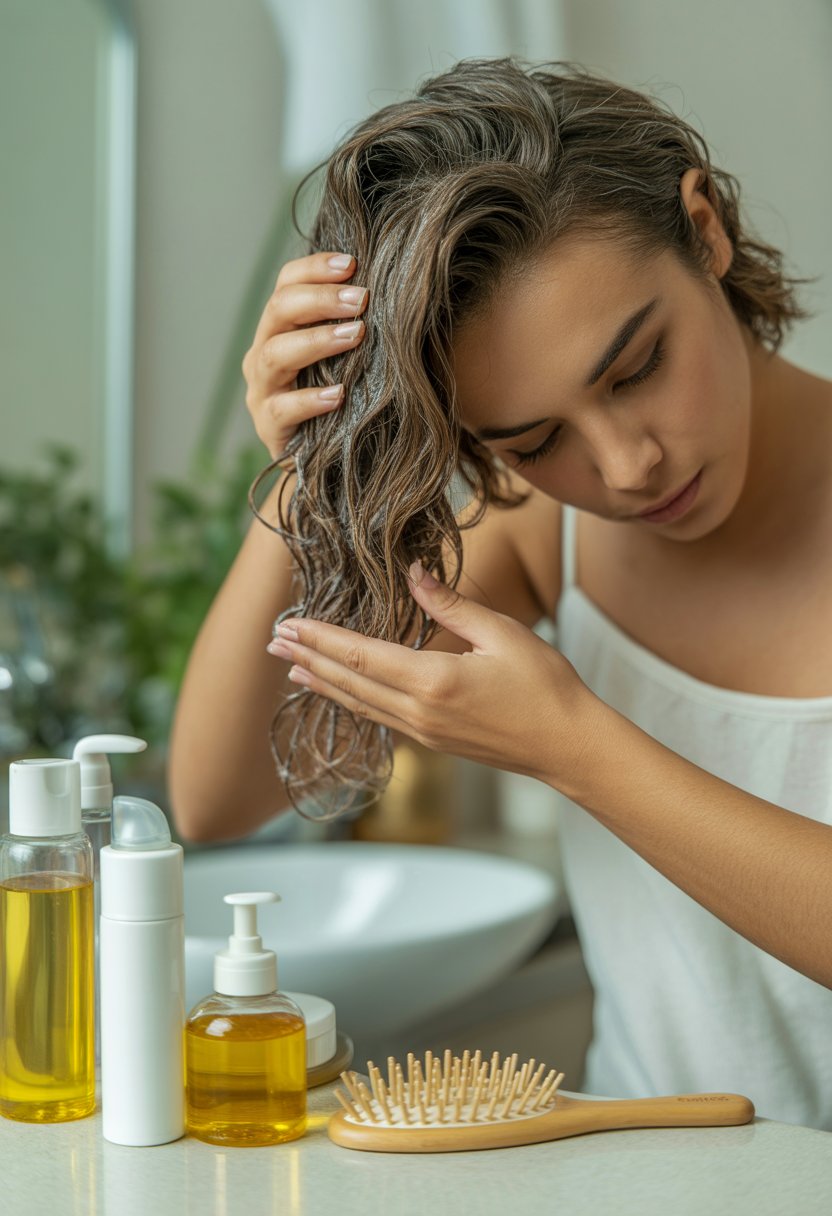
Dry hair’s basically what happens when your strands and scalp don’t have enough moisture. Why does it happen? How do you spot it? And which hair types really need extra TLC? Let’s break it down.
Common Causes of Dry Hair
Heat styling and chemical treatments are notorious for stripping away natural oils. Things like blow-drying, straightening, perming, bleaching, and coloring all break down your hair’s protein structure and rob it of protective sebum.
The environment’s not helping, either. Sun, wind, dry indoor heat, and even pool or hard water can all suck moisture out of your hair.
If you’re washing with harsh shampoos, especially ones loaded with sulfates or alcohol, you’re probably removing more oil than your scalp can keep up with.
Nutrition plays a role too. Diets low in protein, healthy fats, or vitamin D—or certain meds like some acne or blood pressure drugs—can leave hair parched from the inside out.
And let’s not forget mechanical damage. Rough towel-drying, yanking a brush through wet hair, or always wearing tight styles? That’s a recipe for split ends and breakage.
Signs and Symptoms of Dry Hair
Run your fingers down a strand—does it feel rough or almost straw-like? That’s dryness. Shiny hair reflects light, but dry hair just looks dull.
Frizz and flyaways are big clues, especially when it’s humid. If your hair’s always tangling or you’re fighting with knots, dryness could be to blame.
You’ll probably notice more breakage and split ends, and detangling becomes a real struggle. The scalp might itch or flake, but oddly, even oily scalps can have dry hair lengths.
If your products just seem to sit on your hair instead of sinking in—or everything feels heavy and coated—that’s a sign your hair’s thirsty and porous.
Hair Types Prone to Dryness
Curls and coils are usually drier because scalp oils can’t travel easily down all those bends. They need more moisture and gentle handling, honestly.
Fine hair can surprise you—it’ll look limp but still feel dry, losing moisture super quickly and getting damaged by heat or chemicals in no time. Lightweight products are your friend here.
Color-treated or processed hair? It’s almost always more porous and prone to chronic dryness. Protein treatments and low-pH conditioners can help rebuild and seal things up.
As we age, hair gets thinner and produces less oil. If you’re over 50, a richer conditioner or a few drops of oil can make a huge difference.
Daily Care Tips for Dry Hair
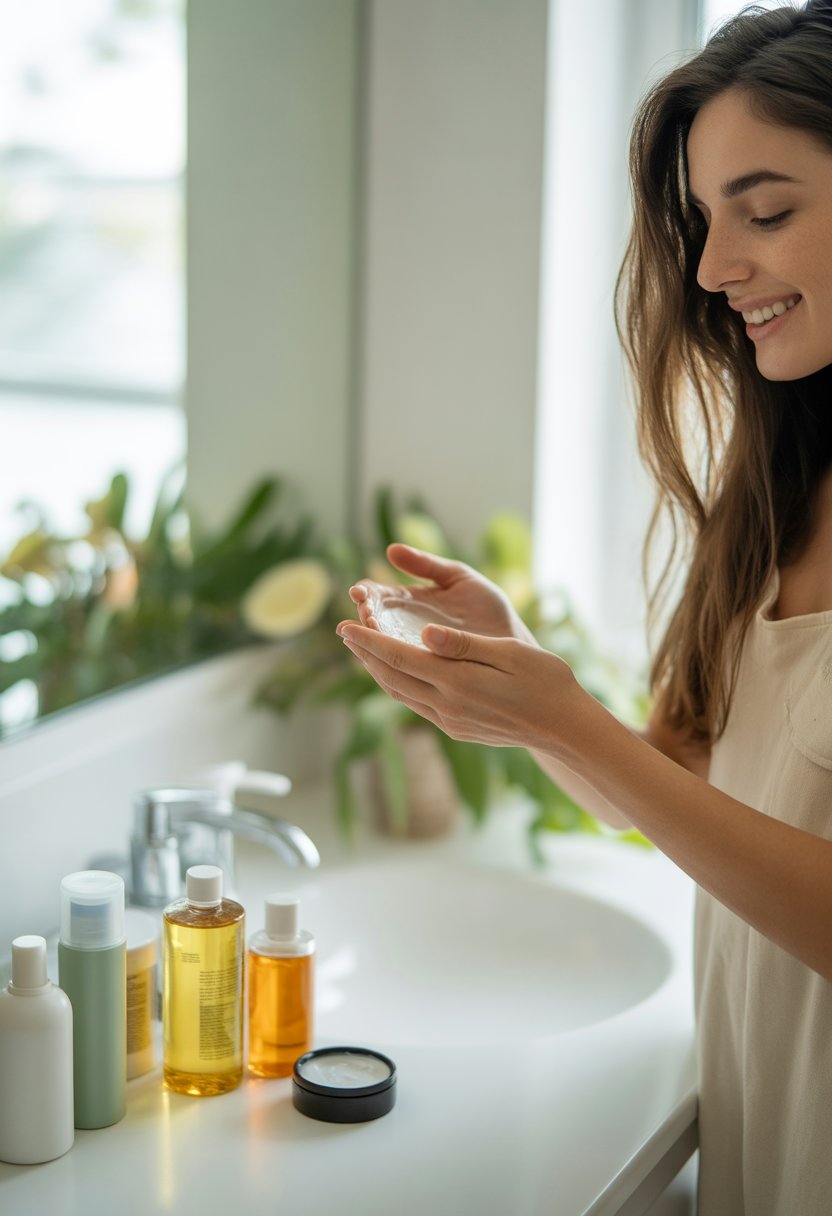
Gentle washing, targeted conditioning, and careful detangling are your best bets for keeping moisture in and avoiding breakage. Even small changes—like using cooler water or switching your comb—can show results fast.
Gentle Cleansing Methods
Go for a sulfate-free shampoo or a co-wash so you’re not stripping away all your natural oils. Use warm water, not hot, and finish with a cool rinse to help lock in moisture.
Shampoo just your scalp and roots; let the lather rinse through the rest. Try to limit shampooing to two or three times a week if your hair’s dry, and you can even dilute your shampoo with water to make it less harsh.
If you swim, rinse hair right after you get out of the pool or ocean. Clarifying shampoos are fine, but only use them every few weeks or so. For dry scalps, a light oil massage (like argan or jojoba) can help, but don’t go overboard if you’re breakout-prone.
Choosing the Right Conditioner
Look for conditioners labeled “hydrating,” “moisture,” or “repair.” Good ingredients? Glycerin, panthenol, ceramides, and natural oils like shea or coconut (in moderation).
Thicker formulas work best for coarse hair, lighter ones for fine hair. Apply from mid-lengths to ends, leave it in for a couple minutes, or longer if you’re doing a deep treatment, and rinse with cool water to fight frizz.
Weekly masks or leave-in treatments with protein are great if your hair’s really damaged or super porous. Just watch out for too much alcohol or drying silicones—they can make things worse over time.
Detangling Without Damage
Detangle when your hair’s damp and has some conditioner in it—not bone dry, not dripping wet. Use a wide-tooth comb or a brush made for detangling, and always start at the ends, working up in small sections.
Hold the hair near your roots while you work through knots to avoid pulling on your scalp. For stubborn tangles, a bit of leave-in or spray can help; give it a minute to soak in before you comb.
Skip the root-to-tip yanking and rough towel-drying. Blot gently with a microfiber towel or even a cotton tee. If your hair’s super fragile, try detangling before you shampoo to cut down on breakage.
Moisturizing and Hydration Techniques
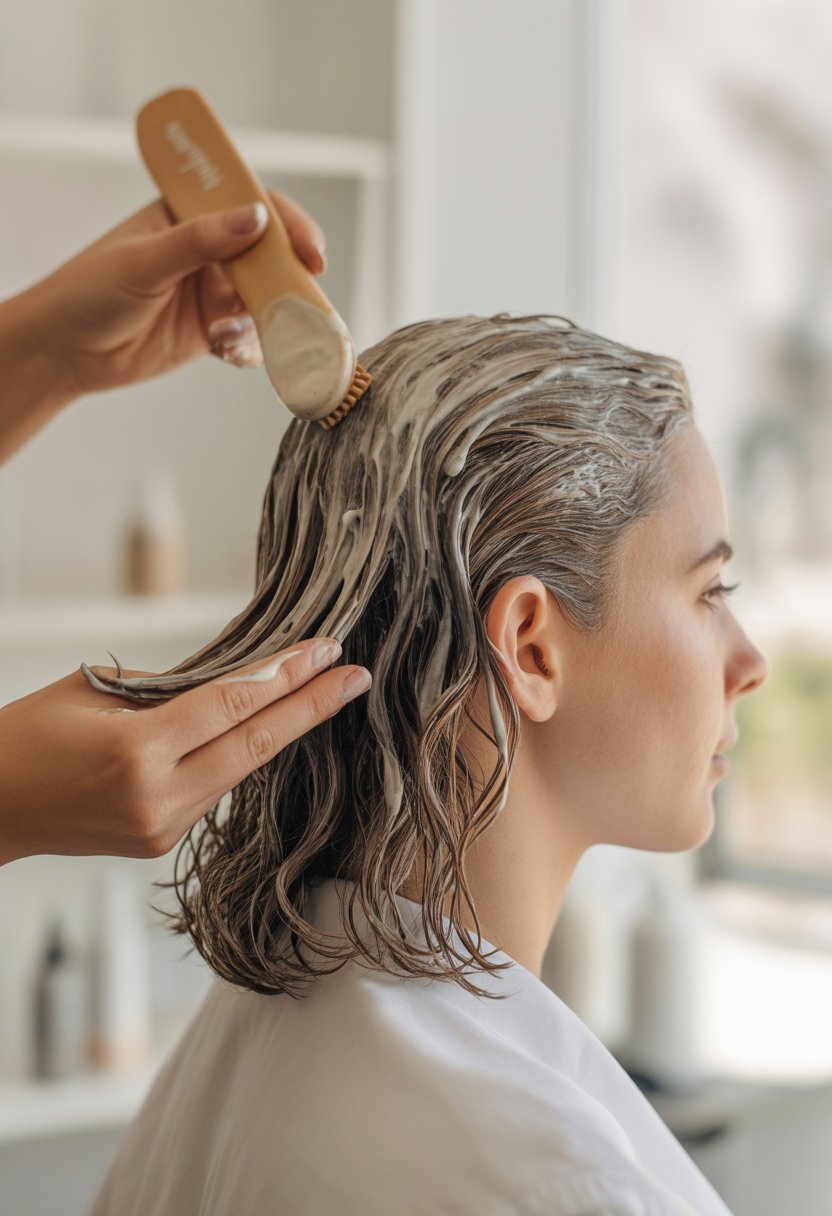
Think intensive masks, daily leave-ins, and a few drops of oil or serum for shine. The trick is matching your products and routine to your hair’s texture and porosity—there’s no one-size-fits-all here.
Deep Conditioning Treatments
Pick a deep conditioner with humectants (like glycerin or panthenol) and emollients (shea butter, cetyl alcohol) to both attract and trap moisture. Apply to clean, towel-dried hair from mid-shaft down—skip your roots if they get oily.
Heat helps: pop on a shower cap, use a hooded dryer, or wrap your head in a warm towel. High-porosity hair usually needs longer (20–30 minutes); low-porosity hair is good with 10–15 minutes.
Always rinse with cool water to help seal things in. Deep condition weekly if your hair’s dry or damaged; every few weeks is fine for maintenance.
Leave-In Products for Dry Hair
Look for leave-ins with lightweight oils, proteins, and humectants—think argan oil, hydrolyzed keratin, glycerin. Use a small amount on damp hair, focusing on the ends, not the scalp.
Sprays are better for fine hair, while creams work for thicker or curly hair. Use them between washes to calm frizz and add moisture, but don’t overdo it or you’ll get buildup.
Scan for drying alcohols or sulfates in the ingredients. If your hair starts to feel heavy, switch products or clarify with a gentle shampoo once a month.
Hydrating Oils and Serums
Oils and serums seal in moisture and add shine. Lighter oils (like argan or squalane) are best for fine hair, while jojoba or sweet almond suit normal hair, and heavier oils (olive, castor) work for coarse, super-dry ends.
Start with a drop or two, warm it in your hands, and pat through your ends. You can mix a drop of oil into your leave-in for an extra boost.
Serums with silicones give instant slip and shine, but can build up if you use them all the time. Alternate with non-silicone options and clarify if your hair starts to feel weighed down.
Styling and Heat Protection
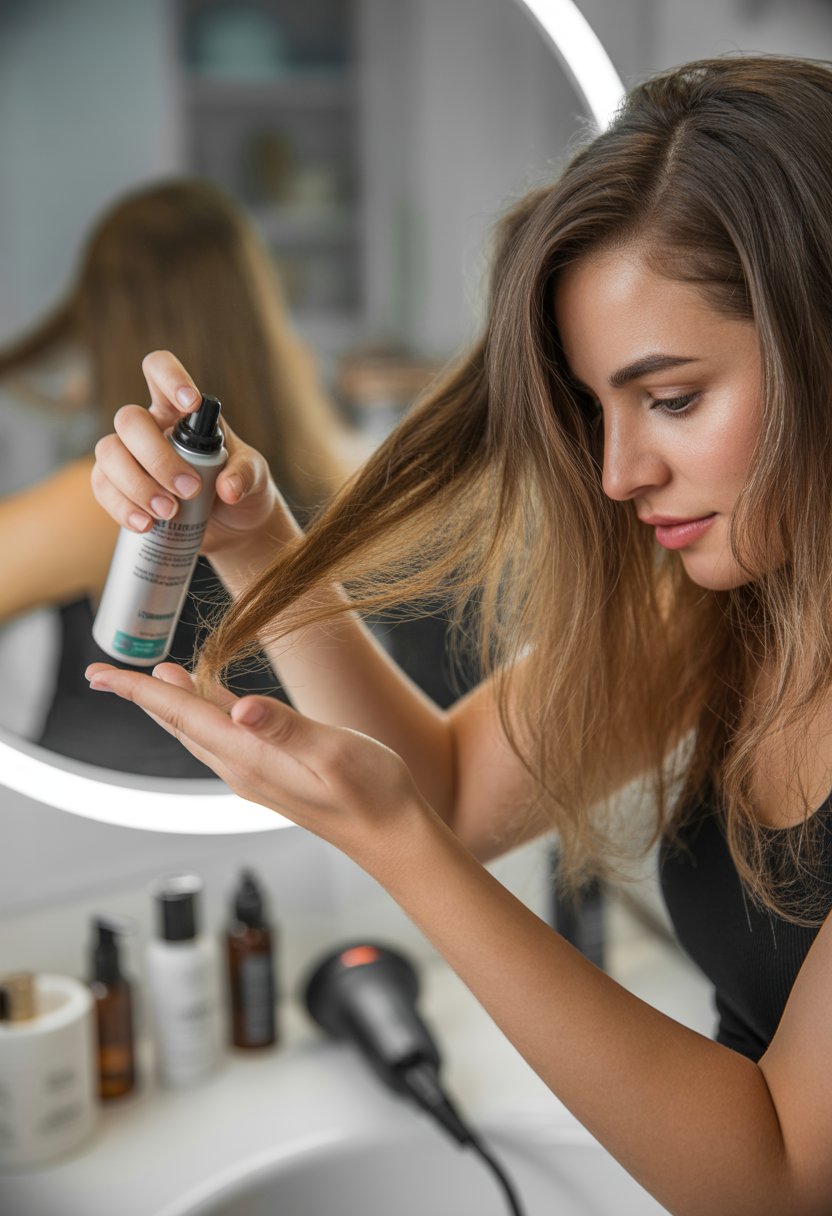
Heat and rough styling add up over time. Your best move? Keep temps low, limit exposure, and use protective steps so your hair stays strong and hydrated.
Limiting Heat Styling
Try to keep hot tools to once or twice a week if your hair’s dry—less is always better. Save the straightener or curling iron for times you really want it.
When you do use heat, go for the lowest temp that actually works: 260–300°F (130–150°C) for fine or processed hair, 300–350°F (150–180°C) for medium, and don’t go above 380°F (190°C) for coarse hair. Always use a heat mat, and style on dry or almost-dry hair to avoid steam damage.
Mix things up—air-dry with product, try rollers, braids, or twists for waves. Track your heat styling and swap in no-heat styles when you can.
Best Practices for Hair Drying
Pat, don’t rub, with a microfiber towel or cotton T-shirt. Squeeze out water gently before applying styling products or heat.
Always use a leave-in or thermal protectant on damp hair, combing it through with a wide-tooth comb. Products with silicone or dimethicone add slip, while humectants like glycerin help with moisture (unless it’s super humid).
If you’re blow-drying, use a nozzle and keep the dryer about 6–8 inches from your hair. Go for the lowest heat and highest speed that gets you dry in a reasonable time, then finish with a cool shot to help seal the cuticle.
Protective Hairstyles
Protective styles—like loose braids, low buns, or twists—cut down on breakage and split ends. Use silk scrunchies or soft clips, not tight elastics or anything that tugs at your hairline.
Don’t overdo tight ponytails or styles that pull in one spot. Change up your part, and give your edges a break with looser looks.
At night, sleep on a silk or satin pillowcase and loosely braid or pineapple your hair. Less friction means more moisture and longer-lasting styles between washes. Simple, right?
Lifestyle and Dietary Considerations
Let’s talk about the stuff you can actually do every day: eat the right nutrients, pay attention to how much water you’re getting, and try not to let your hair bake in the sun, wind, or heat if you want to keep hair moisture in check.
Healthy Diet for Hair Hydration
Honestly, foods loaded with omega-3s, vitamin E, biotin, and zinc are your hair’s best friends—they help balance scalp oils and build hair strength. Try to get in some salmon or mackerel a couple times a week, toss a handful of walnuts or flaxseed into your meals daily, or go for a spoonful or two of ground flax or chia seeds if you’re more plant-based.
Vitamin E? Sunflower seeds and avocados are easy wins—aim for them a few times a week to help your hair’s natural oils fight off stress. For biotin and zinc, eggs, some lean beef, or cooked lentils work great; just keep your zinc in check (shoot for 50–100% RDI, but don’t go overboard for months on end).
Keeping your blood sugar steady matters too. Choose low-glycemic carbs like oats, beans, or non-starchy veggies, since blood sugar spikes can mess with your scalp and dry things out. If you’re thinking about supplements, stick to reasonable doses: biotin 30–100 mcg, zinc 8–11 mg, vitamin E 15 mg. And hey, maybe check with your doctor before you commit to anything long-term.
Hydration Habits
Water really is the classic—try for about 2 to 2.5 liters (roughly 8–10 cups) a day, but bump that up if you’re sweating a lot or eating lots of protein. Keep a bottle handy or use an app to remind yourself, and sip throughout the day instead of chugging it all at once.
Don’t forget hydrating foods like cucumbers, oranges, and watermelon—they can sneak in 10–20% of your daily fluids. If you love coffee, maybe keep it to two cups a day, and save the alcohol for special occasions, since both can dry out your scalp hydration.
When the air’s dry, a humidifier can be a lifesaver—especially overnight. Try to keep your room’s humidity around 40–60%. It’s not just for comfort; it actually helps your scalp hold onto moisture and keeps your hair from getting brittle.
Managing Environmental Stressors
Sun can be brutal on hair. If you’re outside for more than half an hour, a wide-brim hat or a hair sunscreen spray with SPF is worth it. UV rays break down hair proteins and dry things out fast. If you’re swimming or sweating a lot, reapply that spray—it’s not a one-and-done deal.
Wind and heat aren’t much better. Use your blow dryer or styling tools on low heat, and keep them moving—don’t fry your hair in one spot. Try to keep the dryer at least six inches away. On super windy days, braids or tucking your hair away can help keep it from getting roughed up and losing oils.
If you’re swimming in chlorinated or salty water, coat your hair with leave-in conditioner first and rinse it out as soon as you’re done. Cold, dry weather? Satin-lined hats or scarves are surprisingly good for keeping in moisture and fending off static and breakage—plus, they just feel nice.
Conclusion
Restoring healthier hair isn’t magic, but it’s totally doable with a bit of consistency and some thoughtful tweaks to your routine. Try starting with hydrating shampoos and conditioners—honestly, your hair will thank you. Weekly masks or oils, especially ones that fit your hair type, can make a surprising difference.
Don’t overhaul everything at once. Adjust your washing or styling habits slowly. Maybe turn down the heat on your tools or let your hair air-dry when you can. Little changes like that really add up.
Keep an eye on how your hair reacts and don’t be afraid to change things up if something’s not working. If you’re still struggling with dryness after all that effort, it might be time to check in with a dermatologist or trichologist—sometimes you just need that extra bit of expert help.
Quick checklist:
- Go for sulfate-free, moisturizing cleansers.
- Condition from the mid-lengths down to the ends—roots usually don’t need it.
- Cut back on heat styling and skip harsh chemical treatments when possible.
- Treat your hair to a deep-conditioning mask or nourishing oil once a week.
It’s really about finding a balance between daily habits and the occasional intensive treatment. Don’t expect overnight miracles, but give it a few weeks and you’ll probably see smoother, softer hair—maybe even better than you hoped.